Why Is Connecticut’s High Tree Pollen Count Making Your Contact Lenses Feel Like Sandpaper This Spring?
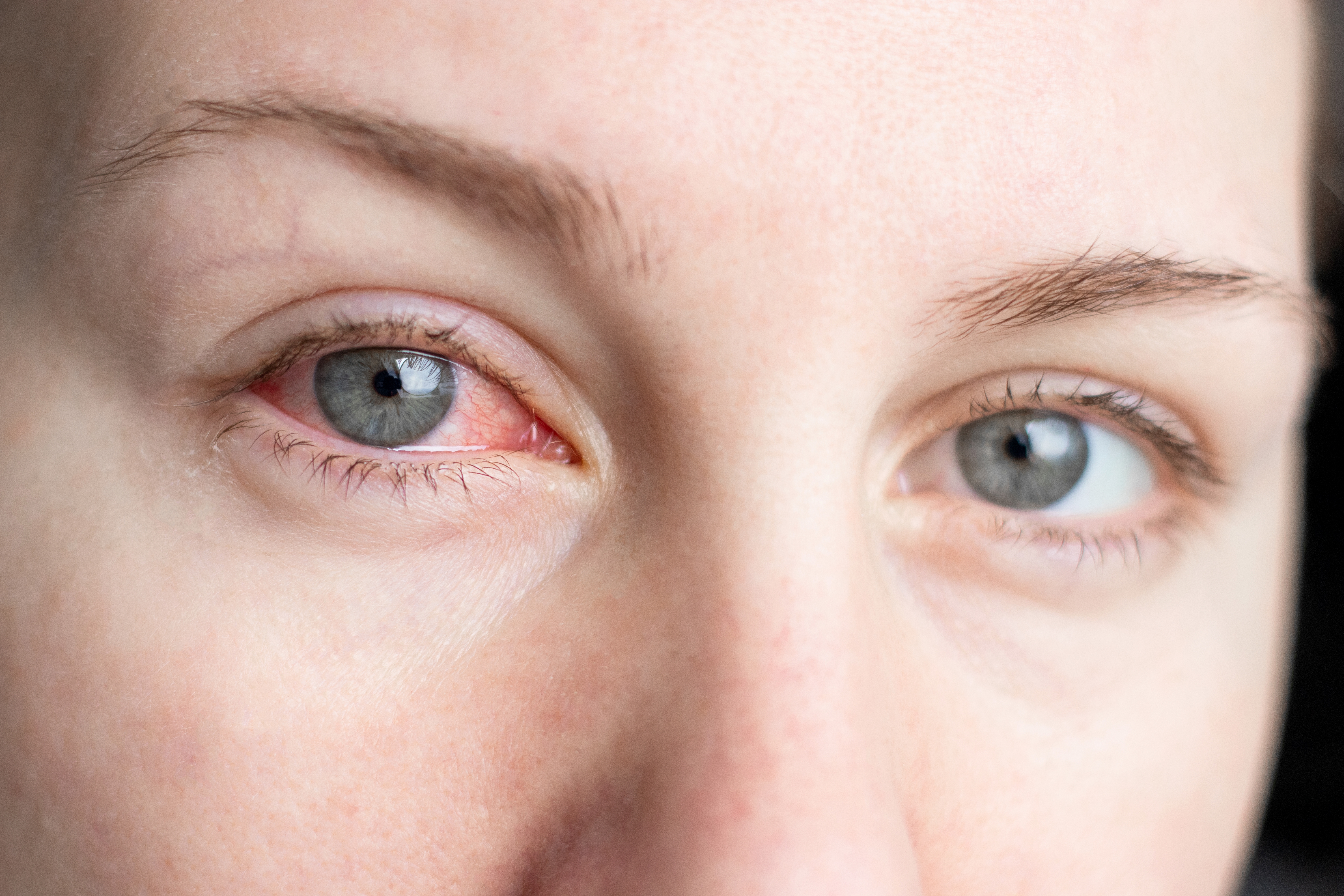
Connecticut’s tree pollen counts climb very high each spring. Oak, birch, maple, and hickory trees all release tiny grains into the air. These grains can make your eyes miserable, especially if you wear contact lenses. Here is why that happens, and what you can do about it.
What Tree Pollen Does to Your Eyes
Tree pollen is a fine powder that trees release in spring. When these tiny grains land in your eyes, your body may treat them as an invader. It releases histamine to fight them off. Histamine causes your eyes to water, itch, and swell. This is an allergic reaction. Doctors call it seasonal allergic conjunctivitis.
For someone who wears contact lenses, the problem is even worse. The lenses can trap pollen against the surface of the eye. The pollen stays there, rubbing and irritating for hours. The tear film that keeps the lens moist breaks down. The lens becomes dry and scratchy. That is when it starts to feel like sandpaper.
Why Connecticut Is So Tough in Spring
Why does spring feel so harsh here? The answer is in the trees. Connecticut is covered in oak, birch, maple, and hickory. For three months, they fill the air with fine, powdery pollen. A strong breeze can make it worse in minutes. But even without wind, pollen settles on everything. Your car, your sleeves, your hair. You walk inside and bring it with you. There is no hiding from it.
Your contact lenses absorb some of this pollen. Soft lenses, in particular, can soak up particles from the air. Once the pollen is trapped, the irritation continues all day. Rubbing your eyes makes it worse by releasing more histamine.
Simple Ways to Protect Your Eyes
You do not have to give up on contact lenses during pollen season. A few small changes can make a big difference.
First, check the daily pollen count. On days when it is very high, consider wearing glasses instead. Give your eyes a break from the lenses so pollen does not get trapped.
Second, use daily disposable lenses. These lenses are fresh each morning and thrown away at night. They do not build up pollen deposits like lenses you reuse for weeks. They also lower the risk of a more serious eye problem called giant papillary conjunctivitis, which is linked to allergens and protein buildup.
Third, keep your lenses clean. Wash your hands before handling them. Never use tap water on your lenses. Artificial tears without preservatives can help rinse away pollen during the day. Use them as often as you need.
Fourth, get ahead of your allergies. Simple over-the-counter antihistamine eye drops can stop the allergic reaction before it makes your eyes miserable. A cold, damp cloth laid over your closed eyes can calm itching and bring down swelling in just a few minutes. If these steps are not enough, your eye doctor has stronger options. You do not have to tough it out alone.
For more on why high pollen count makes your contact lenses feel like sandpaper, visit Colonial River Eye Care. Our office is in Midlothian, Virginia. Call (804) 494-7400 or (804) 794-4080 to book an appointment today.
https://medicine.iu.edu/news/2010/04/spring-is-busting-out-all-over-and-so-are-eye-allergies
https://www.optometristsclinic.com/tips-for-people-who-wear-contacts/


MAP
© 2026 Colonial River Eye Care. All Rights Reserved. Accessibility Statement - Privacy Policy - Sitemap
Powered by: